




Our Estimates are FREE! You have nothing to lose! We offer Decks, Inground pools, Outdoor Kitchens, Concrete, Roofing and so much more! Give us a chance to show you why we've been in Business for 20 years.


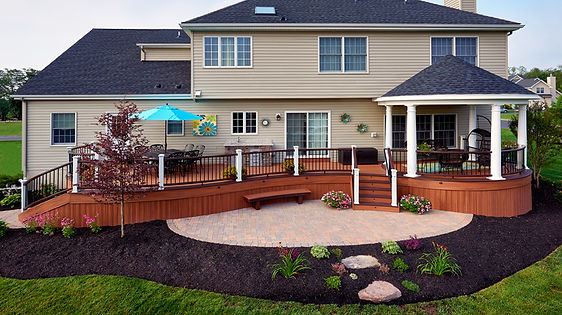
Composite decking is a type of decking material made from a combination of wood fibers and plastic. The blend typically consists of about 60-70% wood fibers (often reclaimed wood or sawdust) and 30-40% plastic (usually recycled). This mixture is heated and molded into deck boards.
Here are some key features and benefits of composite decking:
-
Durability: Composite decking is resistant to weather, rot, and insect damage. It doesn't splinter or crack like traditional wood, making it a long-lasting option.
-
Low Maintenance: Unlike natural wood, composite decking doesn't require regular staining, sealing, or painting. A simple wash with soap and water is usually sufficient to keep it looking good.
-
Aesthetic Variety: Composite decking comes in a range of colors and styles that mimic the look of natural wood. Some products even have texture and grain patterns that closely resemble real wood.
-
Environmental Impact: Many composite decking products are made from recycled materials, which helps reduce waste and the need for virgin resources.
-
Cost: While the initial cost of composite decking can be higher than traditional wood, the long-term savings on maintenance and replacement can make it more cost-effective over time.
-
Safety: Composite decking is often designed to be slip-resistant and can be a safer option, especially in wet conditions.
Overall, composite decking offers a blend of aesthetics, durability, and low maintenance, making it a popular choice for many outdoor decking projects.



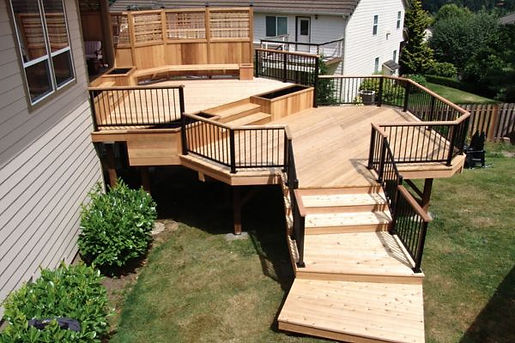
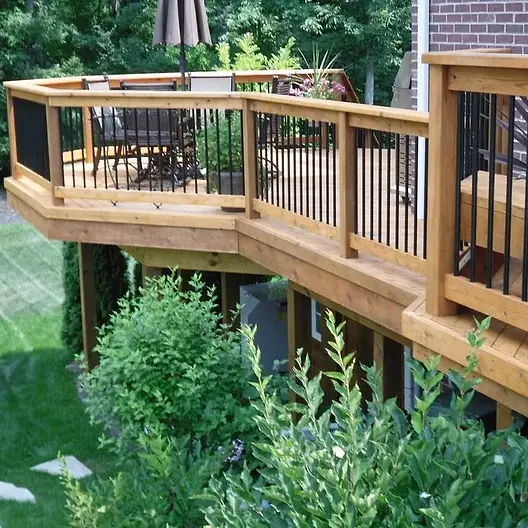
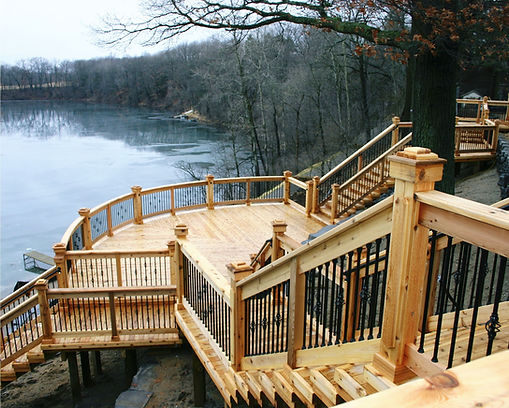


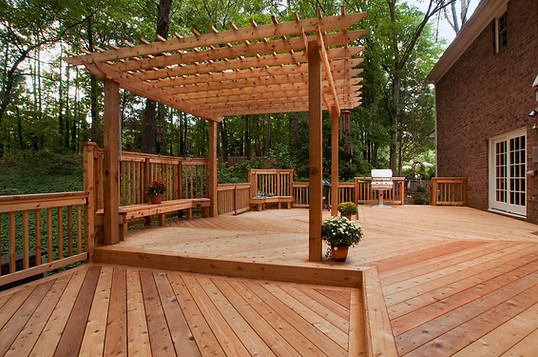

Wood decking is a traditional and classic option for building outdoor decks, and it comes in a variety of types and styles. Here’s an overview of what you need to know about wood decking:
Types of Wood Decking
-
Pressure-Treated Lumber:
-
Description: This is the most common and affordable type of wood decking. It's made from pine or another softwood that has been treated with chemicals to resist rot, insects, and decay.
-
Pros: Cost-effective, readily available, and durable with proper maintenance.
-
Cons: Requires regular maintenance (staining and sealing) to prevent weathering and splitting. It can also warp or crack over time.
-
-
Cedar:
-
Description: Cedar is a natural, durable wood with a pleasant aroma. It's naturally resistant to decay and insects.
-
Pros: Beautiful appearance, less prone to warping compared to pressure-treated wood, and has a natural resistance to decay.
-
Cons: Requires regular maintenance to maintain its color and prevent weathering. Can be more expensive than pressure-treated lumber.
-
-
Redwood:
-
Description: Redwood is known for its rich color and natural resistance to insects and decay.
-
Pros: Aesthetically pleasing with a rich color and natural resistance to rot and insects.
-
Cons: Can be costly and also requires regular maintenance to preserve its appearance and prevent weathering.
-
-
Tropical Hardwoods (e.g., Ipe, Teak):
-
Description: These are high-density, exotic woods known for their durability and resistance to elements.
-
Pros: Extremely durable, long-lasting, and often has a unique and attractive appearance.
-
Cons: Generally more expensive than domestic woods, and can be difficult to work with due to its density. Requires maintenance to maintain its appearance.
-
Advantages of Wood Decking
-
Aesthetic Appeal: Wood decking offers a natural, warm look that many people find appealing. Each type of wood has its own distinct grain and color.
-
Strength and Stability: High-quality wood decking can be very strong and stable, capable of withstanding heavy loads.
-
Customizability: Wood can be stained or painted in a wide range of colors and finishes, allowing for customization.
-
Natural Insulation: Wood tends to be a better insulator compared to some other materials, making it more comfortable to walk on in various weather conditions.
Disadvantages of Wood Decking
-
Maintenance: Wood decks require regular maintenance, including cleaning, staining, sealing, and sometimes sanding to prevent damage from the elements.
-
Susceptibility to Damage: Wood decks can be vulnerable to issues such as splintering, warping, cracking, and insect damage if not properly maintained.
-
Environmental Concerns: Harvesting wood can have environmental impacts, especially if it’s not sourced sustainably. It’s important to choose wood that is certified by organizations like the Forest Stewardship Council (FSC).
-
Cost: High-quality wood and the costs associated with maintenance can add up over time, making it a more expensive option in the long run compared to some alternatives.
Wood decking remains a popular choice for its natural beauty and strength, but it does come with maintenance and cost considerations. If you choose wood decking, investing in high-quality materials and regular upkeep will help ensure it lasts and retains its appeal.



Deck repair is essential to maintaining the safety, functionality, and appearance of your deck. Over time, decks can suffer from various issues such as rot, warping, splintering, or loose fasteners. Here’s a comprehensive guide on how to address common deck repair issues:
1. Inspection
Regular inspections are key to catching problems early. Check for:
-
Loose or damaged boards: Look for any boards that are loose, cracked, or splintered.
-
Signs of rot: Inspect wood for softness, discoloration, or mold.
-
Loose fasteners: Ensure screws or nails are secure.
-
Structural issues: Check supports, joists, and posts for stability and signs of damage.
2. Common Deck Repairs
1. Repairing or Replacing Deck Boards
-
Loose Boards: Tighten or replace screws/nails. If boards are cupped or warped, you might need to replace them.
-
Splintered or Cracked Boards: Sand down splinters or replace severely damaged boards. For minor cracks, a wood filler might be sufficient.
2. Addressing Rot
-
Wood Rot: Remove and replace rotting wood. Ensure that the new wood is properly treated or sealed to prevent future rot.
-
Joist and Beam Repair: For structural rot, you may need to reinforce or replace joists and beams. This often requires more extensive work and possibly professional help.
3. Fixing Loose Fasteners
-
Nails: Hammer in loose nails and consider using deck screws for a more secure fix.
-
Screws: If screws are stripped or loose, replace them with new ones. For better grip, use deck screws with larger heads.
4. Cleaning and Sealing
-
Cleaning: Use a deck cleaner or pressure washer to remove dirt, grime, and mildew. Avoid excessive pressure, which can damage the wood.
-
Sealing and Staining: After cleaning, apply a sealant or stain to protect the wood from moisture and UV damage. Follow manufacturer instructions for application.
5. Replacing Railing and Balusters
-
Loose Railings: Tighten or replace loose railing attachments.
-
Damaged Balusters: Replace broken or loose balusters. Ensure they are properly secured to meet safety codes.
3. Preventative Maintenance
To extend the life of your deck and reduce the need for repairs:
-
Regular Cleaning: Keep your deck clean to prevent mold, mildew, and debris buildup.
-
Inspection: Perform regular inspections to catch and address minor issues before they become major problems.
-
Seal and Stain: Apply sealant or stain every 1-3 years, depending on weather conditions and wood type.
-
Proper Drainage: Ensure your deck has proper drainage to prevent water from pooling and causing damage.
4. Professional Help
Some deck repairs, especially structural issues or extensive damage, may require professional attention. Consider hiring a contractor if:
-
The Damage is Extensive: Significant rot or structural damage may need professional evaluation and repair.
-
Safety Concerns: If you’re unsure about the safety or stability of your deck, a professional can assess and address any concerns.
Regular maintenance and timely repairs will help keep your deck in good condition, ensuring it remains a safe and enjoyable outdoor space for years to come.
